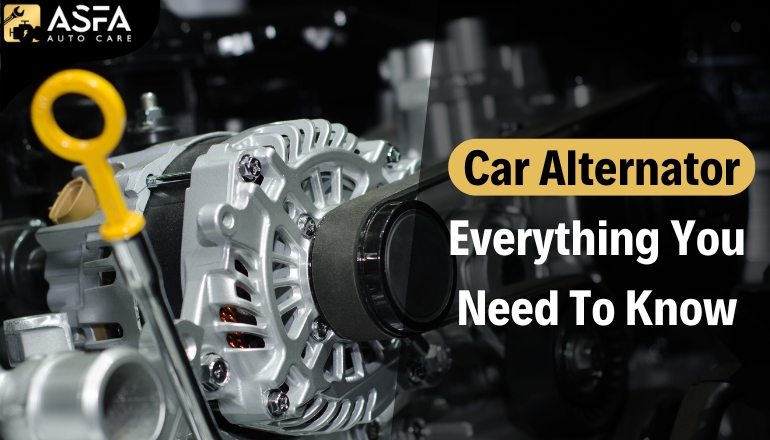
Today, everyone has a car and loves it, but there are many other components under the hood that need to be understood for the vehicle to function effectively. One of the most crucial components is the car alternator. The car alternator is an essential part of your vehicle’s electrical system, responsible for generating the electricity needed to power the car’s electrical components and keep the battery charged.
When the alternator functions correctly, your car runs smoothly without any electrical hiccups. However, alternator problems can lead to several issues, such as dim lights, a dead battery, or even engine stalling. In such cases, consulting a car mechanic is vital, as they can diagnose alternator issues, provide expert repairs, and ensure your vehicle stays road-ready.
In this blog, we will delve into everything you need to know about the car alternator, including its function and operation, common alternator problems, tips on how to care for your alternator, and the steps involved in replacing one when necessary.
What is an Alternator in a Car?
A car alternator is an electrical generator that turns mechanical energy into electric current in the form of alternating (AC) current. The car’s alternator is a vital part of its charge system. It produces current for operating vehicles’ electrical systems and recharges batteries once the motor has started.
What Does an Alternator Do?
Before going into what is an alternator replacement, we must discuss what an alternator does in a car:
-
AC to DC Conversion
The rectifier converts alternating current (AC) produced by the alternator into direct current (DC). Electrical systems and batteries in cars use DC as their form of electricity.
-
Regulating Voltage
The alternator uses voltage regulators to ensure a constant voltage in vehicles’ electrical systems. Doing this prevents excessive charging that can lead to the destruction of batteries as well as other electronic parts.
-
Powering Electrical Systems
The car alternator is a source of current needed to operate diverse electronics found within it, including, but not limited to, lights on its dashboard, headlights, stereo system, and many other features, including air conditioner and windows.
-
Charging the Battery
The alternator recharges the car’s battery while the engine is running. It ensures that the battery remains fully charged to start the engine and to power the vehicle when it is off.
Fixed Voltage vs. Smart Alternators
Fixed voltage alternators deliver a fixed voltage of around 14V to your vehicle’s electrical system. These units will provide a higher current after you start your car, and once the battery is back up to charge, the current will be reduced while you are driving. This cycle will repeat when you start your vehicle again.
Smart alternators have voltage regulators and electronics that enable them to vary the charging current and voltage according to your vehicle’s electrical needs. By checking the charge level of your car battery, the smart alternator in your vehicle will deliver a higher voltage and current immediately after you start your vehicle and accordingly reduce it as you drive.
The latest models can even increase the voltage output while decreasing and lowering it when you accelerate again, which lowers the power pressure on the engine, making it more emission-friendly.
How Does an Alternator Work?
An alternator working in a car requires the best car mechanic who can do it, and here is how it works:
-
Mechanical Input
Car alternators are connected to the engine through a belt. As the engine runs, so does the belt, providing mechanical energy to the alternator.
-
Spin Cycle
The mechanical energy of the belt drives the alternator’s rotor. This component spins at a speed equal to the speed of the engine.
-
Electromagnetic Induction
The alternator creates a magnetic field as the rotor spins inside a stator. This field induces an alternating current.
-
Conversion and Regulation of Electrical Output
Diodes convert the AC to direct current (DC), and a voltage regulator assures a healthy output of electrical energy that charges the battery and powers other electrical components. The regulation of output is important, preventing damage by providing electrical energy as the engine speeds up or insufficient charge as it slows down.
Difference Between a Smart Alternator and a Regular Alternator
There are a lot of factors to consider when it comes to alternators, such as the option of repairing them and alternator costs. However, this type of generator has two main categories: conventional ones and intelligent or ‘smart’ models. Both generate electrical power and keep the car battery charged, but they are different in their technology and integration with modern vehicle systems.
- A regular alternator generates a constant voltage output, typically around 14 volts, regardless of the engine’s speed or the vehicle’s electrical demand.
- Traditional voltage regulators are often mechanical or use basic electronic control, lacking advanced feedback mechanisms.
- Regular alternators can be less efficient because they do not adjust their output to suit the varying demands of the vehicle’s electrical system.
- Smart alternators can vary their output voltage depending on the vehicle’s needs and battery. This helps utilize battery life and electrical performance.
- By utilizing the alternator’s output, smart alternators can reduce the engine’s workload and improve fuel economy, reducing the cost of alternator repair, particularly in vehicles equipped with start-stop technology.
- Smart alternators can intelligently manage electrical loads by increasing output when necessary and reducing it when demands are low, preventing overcharging and enhancing battery life.
The Signs of a Faulty Car Alternator
For all the batteries, the ultimate limit is time; after that, you know that there is a need to replace an alternator; there are certain factors that can give a sign, such as:
1. Dimming Headlights
Should your headlights or dashboard lights appear to be getting duller, the alternator might not be generating enough electricity.
2. Rapidly Draining Battery
The alternator might not be charging enough if your automobile battery dies fast. This indicates that a qualified technician should evaluate the system because such failure translates into more energy retention than required.
3. Electrical Malfunction
Inconsistent power supply affects the performance of all electrical systems in your vehicle, so any issues across these components will be a concern for your alternators.
What is the Lifespan of an Alternator?
Everything in this world will drain or expire after some time, but talking about the machines or their parts, there are a lot of services that can be provided, such as car battery service or replacement.
Irrespective of how you drive while using your automobile, there may never be a time when alternator problems arise. Most alternators’ average level of durability is beyond 10 years, which is contingent on factors like climate and road quality. As your car ages, you should know the components like your alternator.
It might need more attention and, in some cases, replacement. The most appropriate method for testing your alternator’s well-being is having a mechanic check to inspect it each time you request your car’s maintenance service.
What is the Procedure for Replacing an Alternator?
If you have to replace the alternator, there’s a guide for alternator replacement, and it’s best if you leave this work to the experts. The alternator in your car is mostly situated deep inside the engine bay. Ensuring it is secured correctly and working properly is crucial to effect repairs.
There are a lot of car repairs in Adelaide, which provide some models that are interconnected to other components via belts that run off the engine. These belts have to be tight if you want to avoid issues later.
The cost of alternator or car battery replacement varies with the type and model of your car.
Read more: Radiator Coolant Leaks: Top 5 Critical Issues (Expert Guide)
Conclusion
The alternator is an essential aspect of the vehicle’s electrical system that maintains the charged state of your battery and supplies power to all electrical parts. ASFA Auto Care is one of the top car repair services and mechanics in Adelaide.
Their regular maintenance and understanding of the warning signs of alternator failure can save you from unexpected breakdowns and costly repairs. If you experience any symptoms of a failing alternator, consult the professionals from ASFA Auto Care to address the issue promptly.